
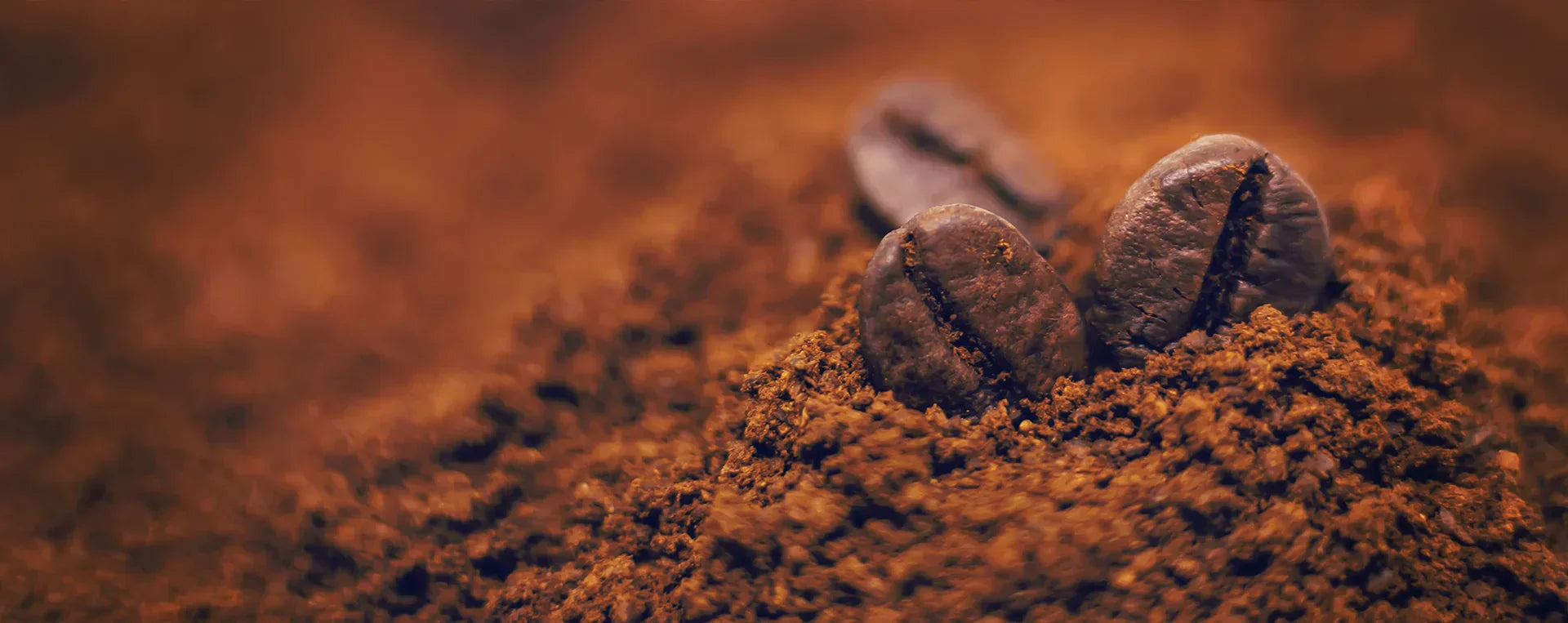
Whole Bean vs Ground Coffee: Which Should You Buy?
Whole bean coffee stays fresh 3-4 weeks after roasting, while ground coffee loses peak flavor within days. Whole bean coffee preserves aromatics and oils longer because less surface area is exposed to oxygen. Ground coffee offers convenience but sacrifices freshness. For specialty coffee quality, whole bean coffee wins for flavor and value. Pre-ground coffee works best when convenience outweighs peak taste.
The whole bean vs ground coffee debate matters more than most coffee drinkers realize. Every minute after grinding, coffee loses volatile compounds that create complex flavors. Understanding this difference helps you choose the right option for your lifestyle and priorities.
Quick Answer: Whole Bean Coffee vs Ground Coffee
Whole bean coffee delivers superior freshness and flavor by protecting coffee oils and aromatics from rapid oxidation. Ground coffee provides immediate convenience at the cost of faster degradation. Choose whole bean coffee for the best specialty coffee experience and invest in a grinder. Choose ground coffee when convenience is essential and you will consume it within days. The difference in cup quality is dramatic enough to justify the minimal effort of grinding beans fresh.
The Science Behind Whole Bean Coffee vs Ground Coffee
Coffee flavor depends on hundreds of volatile compounds. These compounds exist in coffee oils concentrated inside roasted beans. Whole bean coffee protects these compounds with minimal surface area exposed to air. Ground coffee multiplies surface area by thousands of times. This exposure accelerates oxidation and evaporation.
Oxygen attacks coffee immediately after grinding. The oxidation process breaks down flavorful compounds into tasteless or bitter molecules. Carbon dioxide trapped during roasting escapes rapidly from ground coffee. This CO2 carries aromatic compounds with it. Within 15 minutes of grinding, noticeable flavor loss occurs. Within hours, significant degradation happens.
Temperature also affects ground coffee more severely than whole bean coffee. The increased surface area makes ground coffee vulnerable to moisture absorption. Humidity causes ground coffee to clump and lose flavor faster. Whole bean coffee resists these environmental factors better due to the protective bean structure.
Gabe's 3-Week Freshness Test: Whole Bean Coffee vs Ground Coffee
I tested whole bean coffee against pre-ground coffee using our El Bandido Colombian. Both samples came from the same roast batch. I stored whole bean coffee in a valve bag at room temperature. I ground a portion immediately and stored it identically.
Day 1 testing showed minimal difference. Fresh-ground whole bean coffee had slightly more aromatic intensity. The pre-ground coffee tasted nearly identical. This makes sense because oxidation needs time to work.
Day 7 revealed noticeable differences. The whole bean coffee ground fresh delivered bright acidity and chocolate sweetness. The pre-ground sample tasted flat and muted. Aromatic compounds had diminished significantly. The pre-ground coffee smelled dull when brewing.
Day 14 showed dramatic divergence. Fresh-ground whole bean coffee still tasted vibrant with clear flavor notes. The two-week-old pre-ground coffee tasted stale and papery. Bitterness replaced the balanced sweetness. The aroma during brewing was weak and unappealing.
Day 21 confirmed the pattern. Whole bean coffee ground fresh maintained good flavor despite three weeks since roasting. The three-week-old pre-ground coffee tasted terrible. Rancid oils created unpleasant flavors. No amount of brewing adjustment helped. This test proved that whole bean coffee vs ground coffee is not a minor preference issue. The quality difference is substantial and measurable.
When Whole Bean Coffee Wins
Whole bean coffee excels when flavor quality matters most. Specialty coffee deserves fresh grinding to showcase its characteristics. Single-origin coffees lose their unique terroir rapidly when pre-ground. Complex flavor profiles disappear into generic coffee taste.
Home brewing benefits enormously from whole bean coffee. Most people brew coffee within 30 minutes of grinding. This timing captures peak freshness. The small effort of grinding beans transforms your daily coffee experience.
Cost-conscious coffee drinkers should choose whole bean coffee. Although a grinder requires upfront investment, whole bean coffee delivers better value per cup. You extract more flavor from less coffee when grinding fresh. Pre-ground coffee often requires using more to compensate for flavor loss.
Whole Bean Coffee Storage
Proper storage extends whole bean coffee freshness significantly. Learn the complete coffee storage guide including containers and temperature control. Store whole bean coffee in a valve bag or airtight container. Keep the container in a cool, dark location. Avoid refrigerators or freezers unless freezing for long-term storage.
Whole bean coffee maintains peak flavor for 2-3 weeks after roasting when stored properly. Acceptable quality continues for 4-6 weeks. Beyond six weeks, even whole bean coffee begins tasting stale. Our testing with vacuum containers showed that specialized storage can extend freshness another week.
When Ground Coffee Makes Sense
Ground coffee serves specific situations well despite freshness limitations. Convenience sometimes outweighs peak flavor. Understanding when ground coffee is acceptable helps you make smart purchasing decisions.
Office and Workplace Settings
Office coffee often works fine as pre-ground. Large offices consume coffee fast enough that staleness is less problematic. Shared grinders create mess and maintenance issues. Pre-ground coffee simplifies workplace brewing when dozens of people need coffee quickly.
One of our wholesale customers switched from whole bean coffee to ground coffee for their office of 40 employees. They consumed a 5-pound bag within five days. At that consumption rate, ground coffee stayed acceptably fresh. The elimination of grinder cleaning and maintenance justified the minor quality trade-off.
Travel and Portable Brewing
Traveling with ground coffee beats carrying a grinder. Camping, hotels, and road trips benefit from pre-ground convenience. The quality loss matters less than the practicality when brewing away from home. Pack ground coffee in small airtight containers for weekend trips.
For pour over brewing
We recommend using a medium-coarse grind - see our complete pour over guide.
Backup Emergency Coffee
Keep ground coffee as backup for mornings when your grinder breaks. This happened to one customer who relied entirely on whole bean coffee. When their grinder failed on a busy weekday, they had no backup plan. A small bag of ground coffee in the freezer prevents coffee emergencies.
The Grinder Factor in Whole Bean vs Ground Coffee
A quality grinder makes whole bean coffee practical. Poor grinders create frustration that drives people back to pre-ground coffee. Choosing the right grinder determines whether whole bean coffee works for your situation.
Home Grinder: Budget Option
We tested an affordable burr grinder from Amazon with excellent results. This grinder handles daily home brewing perfectly. The burr mechanism produces consistent particle size. Consistency matters because uneven grounds extract poorly.
This grinder costs less than three bags of specialty coffee. The investment pays for itself quickly through improved flavor and reduced waste. Most home brewers should start here before considering expensive equipment.
Commercial Grinder: Ceado 37J
Our Temecula roasting partners use the Ceado 37J for commercial operations. This grinder handles high volume without degrading particle consistency. The precision adjustment allows dialing in any brew method from espresso to French press.
The Ceado 37J costs significantly more than home grinders. This investment makes sense for cafes, offices, or serious home enthusiasts brewing multiple times daily. The grinder quality affects extraction efficiency and flavor clarity dramatically.
Grinding Fresh: Best Practices
Grind whole bean coffee immediately before brewing. Even 15 minutes of waiting degrades quality noticeably. Measure beans by weight before grinding for accuracy. Clean your grinder weekly to prevent rancid oil buildup. Adjust grind size for your brewing method rather than using one setting for everything.
Grind size affects extraction significantly - learn the complete guide to coarse vs fine ground coffee.
French press requires coarse grounds - read our complete French press brewing guide.
Cost Analysis: Whole Bean Coffee vs Ground Coffee Value
Whole bean coffee provides better value despite requiring a grinder. The math proves this clearly when you calculate cost per cup over time.
12oz Bag Comparison
A 12oz bag of specialty whole bean coffee makes approximately 24 cups at standard strength. At $19.99 per bag, this equals $0.83 per cup. The same coffee pre-ground costs the same upfront but delivers less flavor per cup. Many people use more ground coffee to compensate for staleness, increasing actual cost to $0.80-0.90 per cup.
A quality burr grinder costs approximately $50-80. This investment equals 75-120 cups at the $0.67 rate. You break even within 6-8 weeks of daily brewing. After that, whole bean coffee saves money continuously while delivering superior flavor.
1lb Bag Economics
A 1lb (16oz) bag of whole bean coffee produces approximately 32 cups. At $24.99 per bag, this equals $0.78 per cup. The larger quantity provides better value regardless of whole bean vs ground coffee format. However, the freshness advantage of whole bean coffee becomes more important with larger bags that take longer to consume.
Pre-ground coffee in a 1lb bag goes stale before you finish it unless you consume coffee very quickly. Whole bean coffee maintains quality throughout the bag life when you grind fresh each time. This preservation of quality adds significant value that does not appear in simple price comparisons.
Specialty Coffee Quality: Why Whole Bean Coffee Matters More
Specialty coffee represents the top 3 percent of global coffee production. These beans earn specialty grade through superior growing conditions, processing, and quality control. Grinding specialty coffee in advance wastes the investment in quality.
Our El Bandido Colombian exemplifies why whole bean coffee matters for specialty grade. This coffee features chocolate, caramel, and subtle fruit notes. These characteristics disappear rapidly when ground. Customers who buy El Bandido pre-ground miss most of what makes this coffee special.
The same applies to our Jet Fuel medium roast and Original blend. The careful roasting and blending work becomes less noticeable in pre-ground form. Specialty coffee deserves fresh grinding to honor the quality and craftsmanship involved.
Learn what makes specialty coffee different from commodity coffee.
Grocery Store Ground Coffee vs Specialty Whole Bean Coffee
Grocery store pre-ground coffee often sits on shelves for months. The roast date is rarely disclosed. By the time you buy it, the coffee is already stale. Many grocery store coffees smell like menthol or have no aroma at all. This happens when coffee oils turn rancid from extended exposure and age.
Specialty whole bean coffee from roast-to-order companies ships within days of roasting. We roast coffee and ship it within 48 hours. This freshness advantage combined with whole bean protection creates dramatically better coffee. You deserve better mornings than grocery store ground coffee provides.
Blind Taste Test Results: Fresh Ground vs Pre-Ground
I conducted a blind taste test with customers using our Jet Fuel medium roast. One sample was ground immediately before brewing. The second sample was ground two weeks earlier and stored in a sealed bag.
Twelve participants tasted both samples without knowing which was which. All twelve correctly identified the fresh-ground whole bean coffee as superior. Common descriptions included "brighter," "more aromatic," "sweeter," and "cleaner." The two-week-old pre-ground coffee was described as "flat," "dull," "bitter," and "stale."
Several participants were surprised by the magnitude of difference. They expected a subtle distinction, not the dramatic quality gap they experienced. This test convinced multiple customers to switch from pre-ground to whole bean coffee immediately. The evidence was too obvious to ignore.
How to Switch from Ground Coffee to Whole Bean Coffee
Transitioning from ground coffee to whole bean coffee requires minimal investment and effort. Follow these steps for a smooth switch.
- Buy a quality burr grinder - Blade grinders create uneven particles. Burr grinders produce consistent size.
- Start with 12oz bags - Smaller quantities let you experience peak freshness throughout the bag.
- Grind just before brewing - Make this a morning routine rather than grinding in advance.
- Store beans properly - Keep whole bean coffee in valve bags or airtight containers away from light and heat.
- Experiment with grind size - Different brew methods need different particle sizes. Adjust until extraction tastes right.
- Clean your grinder weekly - Old grounds and oils build up quickly and taint fresh coffee.
Expert Tip: Grind Size Matters
The whole bean coffee vs ground coffee debate extends to grind size selection. Coarse grounds work for French press. Medium-coarse fits pour over. Medium suits drip machines. Fine grounds are for espresso. Using the wrong grind size creates poor extraction regardless of freshness. Learn your brew method's ideal grind size to maximize the benefits of whole bean coffee.
What Our Temecula Roasting Partners Recommend
Our roasting partners in Temecula emphasize the importance of grinding whole bean coffee immediately before brewing. They see the quality difference daily when cupping and testing roasts. Professional tasters never use pre-ground coffee because it masks defects and characteristics they need to evaluate.
They recommend grinding no more than you will brew within 30 minutes. For home brewers making one or two cups, this means grinding 15-30 grams at a time. Grinding an entire bag for the week defeats the purpose of buying whole bean coffee.
The roasters also emphasize proper storage after opening. Even whole bean coffee degrades if left in an open bag. Transfer beans to an airtight container or reseal the valve bag carefully after each use. This simple step extends freshness significantly.
Frequently Asked Questions About Whole Bean vs Ground Coffee
Is there a difference between ground coffee and beans?
Yes, the difference between ground coffee and whole bean coffee is substantial. Whole bean coffee stays fresh longer because less surface area is exposed to oxygen. Ground coffee oxidizes rapidly, losing flavor within days. Whole bean coffee preserves oils and aromatics that create complex taste. Ground coffee offers convenience but sacrifices freshness and quality for immediate use.
Is it better to get ground coffee or beans?
Whole bean coffee is better for flavor quality and value. Whole bean coffee stays fresh for weeks while ground coffee degrades within days. The small effort of grinding beans transforms coffee quality dramatically. However, ground coffee makes sense when convenience is essential and you consume coffee quickly enough to avoid staleness.
Is ground coffee the same as beans?
Ground coffee and whole bean coffee start as the same product but diverge after grinding. Ground coffee is simply whole bean coffee that has been processed into smaller particles. The grinding process multiplies surface area exposure by thousands of times, accelerating oxidation and flavor loss. They are the same coffee in different physical states with different freshness characteristics.
Can I use coffee beans instead of coffee grounds?
You must grind whole bean coffee before brewing. Brewing with whole beans extracts almost nothing because water cannot penetrate the dense bean structure. Grind whole bean coffee to the appropriate size for your brewing method. Coarse for French press, medium for drip, fine for espresso. Never attempt to brew whole beans without grinding them first.
Does 1 lb of coffee beans equal 1 lb of ground coffee?
Yes, 1 lb of whole bean coffee equals 1 lb of ground coffee by weight. Grinding changes particle size and volume but not mass. However, ground coffee takes up more volume than the same weight of whole beans due to air spaces between particles. Measure coffee by weight rather than volume for accuracy when brewing.
Can you turn coffee beans into ground coffee?
Yes, grinding whole bean coffee into ground coffee requires a coffee grinder. Burr grinders produce consistent particle sizes. Blade grinders work but create uneven grounds. Grind whole bean coffee to the appropriate size for your brewing method. Fresh grinding immediately before brewing delivers the best flavor from specialty coffee.
Is whole bean coffee stronger than ground coffee?
Whole bean coffee is not inherently stronger than ground coffee. Strength depends on the coffee-to-water ratio during brewing, not the bean format. However, fresh-ground whole bean coffee often tastes more intense and flavorful than stale pre-ground coffee. This perceived strength comes from preserved aromatics and oils rather than higher caffeine content.
Do you measure coffee beans or grounds?
Measure whole bean coffee by weight before grinding for best accuracy. A scale ensures consistent ratios regardless of bean density or grind size. If using volume measures, measure grounds after grinding because ground coffee and whole bean coffee have different volumes per weight. Weight measurement eliminates guesswork and improves brewing consistency.
What is the ratio of whole bean coffee to ground coffee?
The weight ratio of whole bean coffee to ground coffee is 1:1 because grinding does not change mass. Measure 30 grams of whole bean coffee, grind it, and you have 30 grams of ground coffee. Volume ratios differ because ground coffee occupies more space than whole beans. Always use weight measurements instead of volume when comparing whole bean vs ground coffee for brewing.
Is 12 oz of whole bean coffee the same as 12 oz of ground coffee?
Yes, 12 oz of whole bean coffee equals 12 oz of ground coffee by weight. Both will produce the same number of cups when brewed at the same ratio. However, whole bean coffee maintains quality throughout the 12 oz bag when you grind fresh each time. Pre-ground coffee loses flavor by the time you reach the bottom of the bag.
The Clear Winner: Whole Bean Coffee for Quality, Ground Coffee for Convenience
The whole bean vs ground coffee comparison reveals a clear quality winner. Whole bean coffee preserves freshness, flavor, and value far better than ground coffee. The science proves that oxidation and volatile compound loss devastate ground coffee within days. Whole bean coffee protects aromatics and oils for weeks when stored properly.
My three-week freshness testing showed dramatic differences between fresh-ground whole bean coffee and pre-ground alternatives. The blind taste test confirmed what the science predicts. Every participant correctly identified fresh-ground coffee as superior. The quality gap is too obvious to ignore.
Whole bean coffee also delivers better value despite requiring a grinder. The investment in a quality burr grinder pays for itself within weeks through improved extraction and reduced waste. Specialty coffee deserves fresh grinding to honor the quality work of farmers, processors, and roasters.
Ground coffee serves legitimate purposes when convenience outweighs peak flavor. Office settings, travel, and emergency backup situations benefit from pre-ground practicality. Understanding when ground coffee makes sense helps you make smart purchasing decisions.
For daily home brewing, choose whole bean coffee. Invest in a quality grinder. Grind fresh before each brew. Store beans properly in airtight containers. These simple steps transform your coffee experience.
Our El Bandido Colombian, Jet Fuel, and Original blend all showcase their characteristics best when ground fresh from whole beans. You deserve better mornings than grocery store pre-ground coffee provides. Specialty whole bean coffee roasted to order and ground fresh delivers the quality you deserve.
The whole bean coffee vs ground coffee debate has a clear answer for anyone who values flavor and quality. Whole bean coffee wins for freshness, taste, and long-term value. Make the switch today and experience the difference immediately.
Sources and References
- Specialty Coffee Association. (2024). "Coffee Quality Standards and Freshness Protocols." Specialty Coffee Association.
- National Coffee Association. (2024). "Coffee Freshness and Storage Guidelines." National Coffee Association USA.
- Yeretzian, C., et al. (2012). "From the green bean to the cup of coffee: Investigating coffee roasting by on-line monitoring of volatiles." European Food Research and Technology, 234(5), 769-778. DOI: 10.1007/s00217-012-1687-9
- Cordoba, N., et al. (2020). "Coffee aroma: Chemometric comparison of the chemical information provided by three different sampling techniques." Journal of Food Engineering, 274, 109825. DOI: 10.1016/j.jfoodeng.2019.109825
- Ross, C. F., et al. (2006). "Coffee flavor and aroma: Changes with coffee bean aging." Journal of Food Science, 71(1), S1-S7. DOI: 10.1111/j.1365-2621.2006.tb12395.x
- Illy, E., & Viani, R. (2005). Espresso Coffee: The Science of Quality (2nd ed.). Academic Press. DOI: 10.1016/B978-012370371-2/50001-5
- Coffee Quality Institute. (2023). "Coffee Freshness Standards and Best Practices." Coffee Quality Institute.
- Baggenstoss, J., et al. (2008). "Coffee roasting and aroma formation: Application of different time-temperature conditions." Journal of Agricultural and Food Chemistry, 56(14), 5836-5846. DOI: 10.1021/jf8003274
- Schenker, S., et al. (2002). "Impact of roasting conditions on the formation of aroma compounds in coffee beans." Journal of Food Science, 67(1), 60-66. DOI: 10.1111/j.1365-2621.2002.tb11349.x
- World Coffee Research. (2024). "Post-Harvest Coffee Storage and Freshness Preservation." World Coffee Research.
- Sunarharum, W. B., Williams, D. J., & Smyth, H. E. (2014). "Complexity of coffee flavor: A compositional and sensory perspective." Food Research International, 62, 315-325. DOI: 10.1016/j.foodres.2014.02.030
- Nicoli, M. C., et al. (1997). "Loss and/or formation of antioxidants during food processing and storage." Cancer Letters, 114(1-2), 71-74. DOI: 10.1016/S0304-3835(97)04628-4
- European Coffee Brewing Centre. (2023). "Coffee Grinding Standards and Best Practices." European Coffee Brewing Centre.
Disclaimer: This article provides general information about whole bean coffee and ground coffee quality differences. Individual experiences may vary based on storage conditions, brewing methods, coffee origins, and personal taste preferences. Freshness timelines represent typical conditions and may extend or reduce based on environmental factors. Product recommendations are based on testing experience and do not constitute endorsements. Always follow manufacturer guidelines for coffee equipment operation and maintenance. This content is for educational purposes and does not constitute professional advice.

Written by Gabe Hollins

Leave a comment
This site is protected by hCaptcha and the hCaptcha Privacy Policy and Terms of Service apply.