
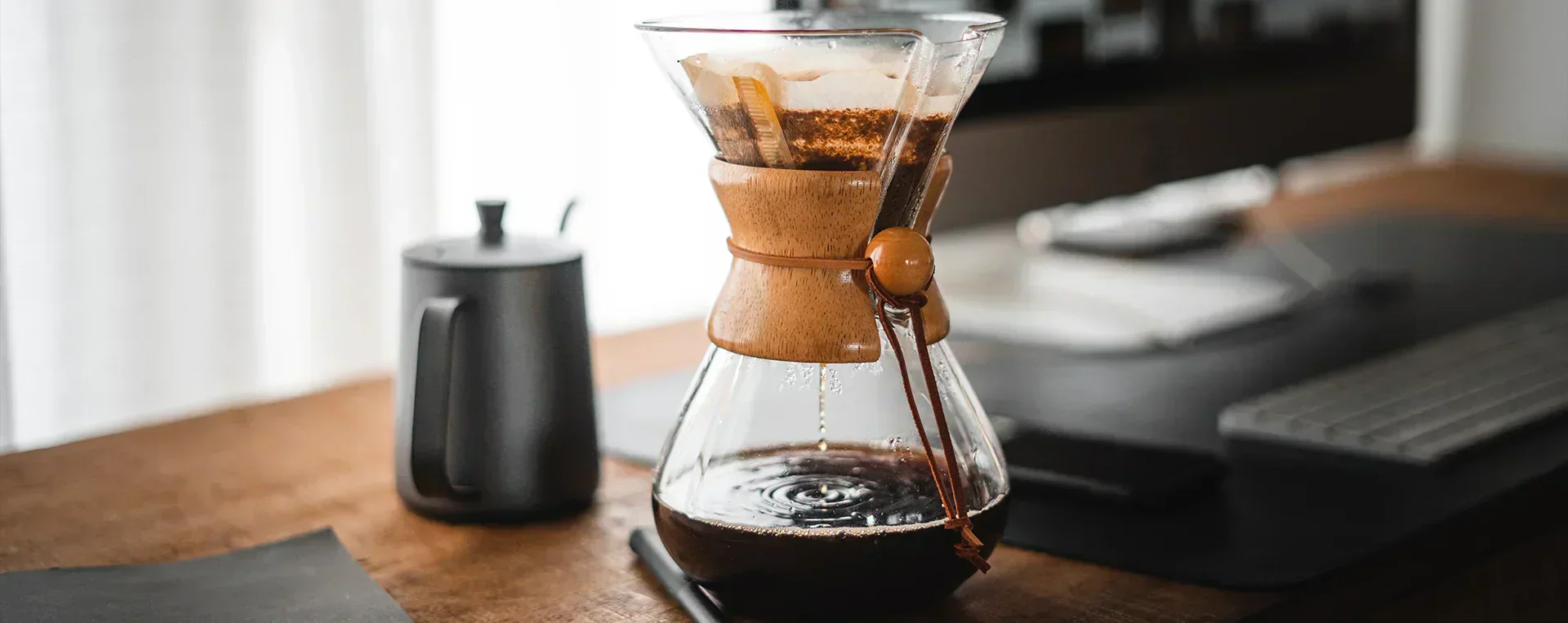
How to Brew Pour Over Coffee: Complete Brewing Guide
To brew pour over coffee, use 22 grams of medium-coarse ground specialty coffee, 350 grams of 200°F water, and pour in a slow circular motion for 3-4 minutes. Start with a 30-second bloom, then continue pouring steadily until you extract a clean, flavorful cup. This manual brewing method gives you complete control over extraction and highlights the best qualities of specialty coffee.
Pour over coffee delivers clarity and complexity that automatic drip machines cannot match. The slow, controlled pour extracts subtle flavor notes from specialty coffee beans. You control every variable, from water temperature to pour speed. This precision transforms good coffee into exceptional coffee.
Quick Answer: Pour Over Coffee Basics
Pour over coffee requires hot water (195-205°F), freshly ground beans, and a pour over brewer like a V60, Chemex, or Kalita Wave. The process takes 3-4 minutes from start to finish. You bloom the grounds for 30 seconds, then pour water in controlled circles. The result is a clean, bright cup that showcases specialty coffee at its best.
What Makes Pour Over Coffee Special
Pour over coffee stands apart from other brewing methods through complete control and precision. You manage water temperature, pour rate, and extraction time manually. This hands-on approach lets you highlight specific flavors in specialty coffee beans.
The slow extraction pulls aromatic compounds and oils from coffee grounds evenly. Unlike drip coffee makers that dump water quickly, pour over brewing saturates grounds gradually. This gentle process preserves delicate flavors that harsh brewing destroys.
Our co-owner Fabian Gomez tested every major pour over method with our Jet Fuel max caffeine blend. He found the Chemex produced the cleanest cup with the brightest flavor clarity. The thick Chemex filters remove micro-fines and oils that can muddy the taste. When you brew pour over coffee correctly, you taste the coffee, not the brewing method.
Essential Equipment for Pour Over Coffee
You need specific tools to brew pour over coffee successfully. Quality equipment makes the difference between good coffee and exceptional coffee.
Pour Over Brewers
Chemex: Glass carafe with thick paper filters. Produces the cleanest, brightest cup. Works best for 2-4 servings. The thick filters remove oils and sediment completely. Fabian's testing showed Chemex excels with light and medium roast specialty coffee.
Hario V60: Cone-shaped dripper with spiral ridges. Fast flow rate gives you maximum control. Single large hole at the bottom means your pour technique directly impacts extraction. Best for experienced brewers who want to fine-tune every variable.
Kalita Wave: Flat-bottom design with three small holes. Promotes even extraction automatically. The wave filters create consistent flow regardless of pour technique. Perfect for beginners learning how to brew pour over coffee.
Critical Support Equipment
Burr Grinder: Consistent grind size determines extraction quality. Blade grinders create uneven particles that extract poorly. Burr grinders produce uniform grounds that extract evenly. We tested six different grind sizes with El Bandido Colombian coffee. Medium-coarse (similar to sea salt) delivered the best balance of sweetness and clarity.
Gooseneck Kettle: The narrow spout gives you precise pour control. Regular kettles dump water too fast and unevenly. Temperature control matters, a kettle that maintains 200°F throughout the brew prevents temperature drops that under-extract coffee.
Digital Scale: Accuracy creates consistency. Measuring by volume (scoops) varies too much. Weighing coffee and water ensures you hit the same ratio every time. Our testing showed a 1:16 ratio (22g coffee to 350g water) works best for most specialty coffee.
Paper Filters: Match your brewer type. Chemex filters are thicker than V60 filters. Kalita Wave uses unique flat-bottom filters. Always rinse filters with hot water before brewing to remove paper taste.
How to Brew Pour Over Coffee: Step-by-Step
Step 1: Measure Your Coffee
Weigh 22 grams of whole bean specialty coffee. This makes one 12 oz cup. Use fresh beans roasted within the past 14-21 days. Older beans have lost the aromatics that make pour over coffee special.
Step 2: Grind Fresh
Grind beans immediately before brewing. Set your burr grinder to medium-coarse. The grounds should feel like coarse sea salt between your fingers. Too fine creates bitter coffee. Too coarse tastes weak and sour.
Fresh-grinding whole bean coffee dramatically improves pour over results. See our whole bean vs ground coffee guide to understand why freshness matters.
We tested Jet Fuel at six different grind settings. Medium-coarse extracted the full caffeine content while maintaining smooth flavor. Finer grinds boosted strength but added bitterness. Coarser grinds brewed faster but tasted thin.
Step 3: Heat Water to Proper Temperature
Bring water to 200°F (93°C). This temperature sits just below boiling. Too hot (above 205°F) over-extracts and burns coffee. Too cool (below 195°F) under-extracts and tastes sour.
Our Temecula roasting partners tested temperature ranges extensively. They found 200°F delivers optimal extraction across all roast levels. Light roasts can handle 205°F. Dark roasts prefer 195°F. Medium roasts hit peak flavor at 200°F.
Step 4: Prepare Your Brewer
Place a filter in your pour over brewer. Rinse the filter thoroughly with hot water. This removes paper taste and preheats the brewer. Discard the rinse water. A cold brewer drops water temperature during extraction.
Step 5: Add Coffee and Bloom
Add your ground coffee to the filter. Shake gently to level the bed. Start your timer. Pour 45 grams of water (twice the coffee weight) in a spiral pattern from center to edge. This is the bloom phase.
Fresh specialty coffee releases carbon dioxide during the bloom. You'll see bubbles forming and the grounds rising. Wait 30-45 seconds. The bloom allows even saturation and better extraction in the main pour.
One customer struggled with sour, weak pour over coffee. They skipped the bloom entirely. We showed them how to bloom properly for 30 seconds. Their next cup tasted completely different, sweet and balanced instead of acidic.
Step 6: Main Pour
After the bloom, begin pouring the remaining 305 grams of water. Pour in steady, concentric circles starting from the center. Move outward to the edge, then back to center. Keep the water level consistent, never let it drain completely or overflow.
Your total brew time should reach 3-4 minutes from first pour to final drip. Faster than 3 minutes means grind coarser. Slower than 4 minutes means grind finer.
Step 7: Finish and Serve
When the last drops fall through, remove the brewer. Your pour over coffee is ready. Serve immediately for best flavor. Pour over coffee tastes best within 10 minutes of brewing.
Pour Over Coffee by Roast Level
Different roast levels need different brewing parameters. How to brew pour over coffee changes based on bean darkness and density.
Light Roast Specialty Coffee
Light roasts are dense and acidic. They need higher temperatures and finer grinds to extract fully.
- Water Temperature: 205°F
- Grind Size: Medium (slightly finer than medium-coarse)
- Brew Time: 3:30-4:00 minutes
- Best Device: V60 (fast flow helps avoid over-extraction)
- Ratio: 1:17 (22g coffee to 374g water)
Light roast pour over coffee highlights fruit and floral notes. The higher temperature and finer grind extract the complex acids that make light roasts special. Under-extracted light roast tastes sour and grassy.
Medium Roast Specialty Coffee
Medium roasts balance acidity and body. They're the most forgiving roast level for pour over coffee.
- Water Temperature: 200°F
- Grind Size: Medium-coarse
- Brew Time: 3:00-3:30 minutes
- Best Device: Chemex (showcases balanced flavors)
- Ratio: 1:16 (22g coffee to 352g water)
El Bandido Colombian medium roast performs beautifully in pour over coffee. The balanced acidity and chocolate notes shine through clean Chemex extraction. This is the perfect roast level for learning how to brew pour over coffee.
Dark Roast Specialty Coffee
Dark roasts are porous and oily. They extract quickly and need careful brewing to avoid bitterness.
- Water Temperature: 195°F
- Grind Size: Coarse
- Brew Time: 2:30-3:00 minutes
- Best Device: Kalita Wave (slower flow prevents over-extraction)
- Ratio: 1:15 (22g coffee to 330g water)
Dark roast pour over coffee emphasizes chocolate and caramel notes. Lower temperature and coarser grind prevent bitter, ashy flavors. Many people think dark roast doesn't work for pour over coffee. Proper technique proves them wrong.
| Roast Level | Water Temp | Grind Size | Brew Time | Best Device |
|---|---|---|---|---|
| Light Roast | 205°F | Medium | 3:30-4:00 | Hario V60 |
| Medium Roast | 200°F | Medium-Coarse | 3:00-3:30 | Chemex |
| Dark Roast | 195°F | Coarse | 2:30-3:00 | Kalita Wave |
Common Pour Over Coffee Mistakes
Mistake 1: Using Pre-Ground Coffee
Pre-ground coffee loses flavor within hours of grinding. The increased surface area exposes coffee to oxygen rapidly. Specialty coffee demands fresh grinding. One family member bought expensive specialty coffee pre-ground. They couldn't understand why it tasted flat. We gave them a burr grinder. Same beans, fresh ground, totally different cup. They never bought pre-ground again.
Mistake 2: Wrong Water Temperature
Boiling water (212°F) burns coffee and creates bitter flavors. Cold water (below 195°F) under-extracts and tastes sour. Use a thermometer or temperature-controlled kettle. Consistency matters more than perfection.
Mistake 3: Inconsistent Pour Technique
Pouring too fast creates channeling. Water finds the path of least resistance and leaves dry pockets of coffee. Pouring too slow lets the bed drain completely, which creates uneven extraction. Practice steady, circular pours that maintain consistent water level.
A customer complained their pour over coffee tasted different every morning. We watched them brew. Their pour rate varied wildly from day to day. We taught them to count while pouring, maintaining rhythm. Their consistency improved immediately.
Mistake 4: Ignoring the Bloom
Skipping the bloom leads to uneven extraction. Carbon dioxide creates barriers that water cannot penetrate. The bloom releases CO2 and allows water to saturate grounds evenly. Always bloom for 30-45 seconds when brewing pour over coffee.
Mistake 5: Using Old or Stale Beans
Pour over coffee magnifies everything about your beans. Stale beans taste stale. Great beans taste amazing. Buy fresh roasted specialty coffee and use it within 14-21 days of the roast date. Store beans properly in airtight containers away from light and heat.
Pour Over Coffee vs Other Brewing Methods
Pour Over vs Drip Coffee
Drip coffee makers brew quickly and automatically. They dump water over grounds without control. Pour over coffee gives you complete control over every variable. The result? Drip coffee tastes good. Pour over coffee tastes exceptional.
Drip machines cannot match the clarity and complexity of pour over coffee. The slow, manual pour extracts flavors that automatic brewing misses. If you want convenience, use drip. If you want the best your specialty coffee can offer, brew pour over coffee.
Pour Over vs French Press
French press creates heavy body and rich texture. Oils and sediment remain in the cup. Pour over coffee filters everything out, producing clean, bright flavors. French press emphasizes body. Pour over emphasizes clarity.
Neither method is better universally. They serve different purposes. Dark roasts often shine in French press. Light roasts excel in pour over coffee. Medium roasts work beautifully in both methods.
Professional Tips from Our Temecula Roasters
Our roasting partners have brewed thousands of cups testing quality control. Here's what they've learned about how to brew pour over coffee consistently.
The 80/20 Rule for Pour Over Coffee: 80% of your cup quality comes from 20% of variables. Focus on fresh beans, proper grind size, correct water temperature, and consistent pour technique. Master these four factors before worrying about advanced techniques. The basics deliver the results.
Water Quality Matters
Use filtered water for pour over coffee. Tap water contains chlorine and minerals that affect taste. Distilled water tastes flat because it lacks minerals entirely. Filtered water hits the balance. The coffee, not the water, should define the flavor.
Maintain Clean Equipment
Coffee oils build up in brewers and grinders. Clean your equipment weekly with hot water and mild soap. Monthly deep cleaning with specialized coffee cleaner removes stubborn residue. Old coffee oils turn rancid and ruin fresh specialty coffee.
Practice Consistent Timing
Track your brew times. Consistency reveals patterns. If your 3-minute brew tastes better than your 4-minute brew, adjust your grind to hit 3 minutes every time. Use a timer for every brew until the rhythm becomes automatic.
Frequently Asked Questions About Pour Over Coffee
What is a pour-over coffee?
Pour over coffee is a manual brewing method where you pour hot water over coffee grounds in a controlled, circular motion. The water filters through the grounds and a paper filter, extracting flavors gradually. This technique gives you complete control over water temperature, pour rate, and extraction time.
What's so special about pour-over coffee?
Pour over coffee delivers exceptional clarity and complexity that automatic brewing cannot match. The slow, controlled extraction highlights subtle flavor notes in specialty coffee. You control every variable, which lets you customize each cup to your exact preferences. The result is clean, bright coffee that showcases bean quality.
How do you make a pour over coffee?
Use 22 grams of medium-coarse ground coffee and 350 grams of 200°F water. Bloom the grounds with 45 grams of water for 30 seconds. Pour the remaining water in steady circles for 3-4 minutes total brew time. The coffee drips through a paper filter into your cup or carafe.
What's the difference between pour over and drip coffee?
Pour over coffee is manual and precise. You control water temperature, pour speed, and timing. Drip coffee is automatic and fast. The machine dumps hot water over grounds without control. Pour over produces cleaner, more complex flavors. Drip coffee is convenient but less refined.
Why is pourover better than drip?
Pour over gives you complete control over extraction. You can adjust technique to highlight specific flavors in your beans. Drip machines use preset programs that cannot adapt to different coffees. Pour over coffee extracts more evenly and gently, preserving delicate aromatics that harsh drip brewing destroys.
What is better, French press or pour over?
Neither is universally better. French press creates heavy body with oils and sediment. Pour over produces clean, bright flavors with no sediment. Choose based on preference: French press for rich texture, pour over for clarity. Medium roasts work well in both. Light roasts excel in pour over. Dark roasts often shine in French press.
Is pour-over coffee healthier than drip coffee?
Pour over coffee filters through paper, which removes cafestol and kahweol. These compounds raise cholesterol levels. Drip coffee also uses paper filters and removes the same compounds. Both methods are equally healthy. French press and espresso retain these oils, making them less heart-healthy for people with cholesterol concerns.
Can I use regular ground coffee in a pour over?
Yes, but grind size must match pour over requirements. Pre-ground coffee is usually too fine for pour over brewing. Too fine creates slow flow and bitter over-extraction. If using pre-ground, look for coarse or medium-coarse grinds. Fresh grinding beans yourself gives you perfect control over grind size and better flavor.
What is the disadvantage of pour-over coffee?
Pour over coffee takes time and attention. You cannot walk away during brewing. The technique requires practice to master. You need specific equipment: a brewer, gooseneck kettle, grinder, and scale. Drip coffee is faster and easier. Pour over demands involvement, which some people see as a disadvantage and others see as the appeal.
What is the 80/20 rule for coffee?
The 80/20 rule states that 80% of pour over coffee quality comes from 20% of variables. Focus on fresh beans, correct grind size, proper water temperature (200°F), and consistent pour technique. These four factors deliver most of the results. Advanced techniques add only marginal improvement. Master the basics first.
Master Pour Over Coffee for Exceptional Specialty Coffee
Learning how to brew pour over coffee transforms your relationship with specialty coffee. The manual process connects you with every step of extraction. You control the variables that automatic machines cannot adjust. The result is coffee that tastes exactly how you want it.
Start with quality equipment: a Chemex, V60, or Kalita Wave, a burr grinder, gooseneck kettle, and digital scale. Use fresh specialty coffee roasted within 14-21 days. Grind medium-coarse for medium roasts, adjust for other roast levels. Heat water to 200°F. Bloom for 30 seconds, then pour steadily for 3-4 minutes total.
Fabian's extensive testing proved the Chemex delivers the cleanest, brightest cup. Our grind size experiments with El Bandido Colombian and Jet Fuel showed medium-coarse grounds extract optimally. Our Temecula roasting partners confirmed 200°F works best for most specialty coffee.
Pour over coffee demands practice. Your first cups might not taste perfect. Each brew teaches you something about technique and extraction. Soon, the process becomes automatic. The precision becomes intuitive. You'll brew exceptional specialty coffee every morning.
The clarity and complexity of pour over coffee is worth the effort. No other method highlights specialty coffee quality as effectively. When you brew pour over coffee correctly, you taste everything the roaster and farmer worked to create. That's the magic of manual brewing.
Sources and References
- Specialty Coffee Association. (2024). "Brewing Protocols and Best Practices." Specialty Coffee Association Technical Standards.
- Rao, N. Z., & Fuller, M. (2018). "Acidity and antioxidant activity of cold brew coffee." Scientific Reports, 8(1), 16030. DOI: 10.1038/s41598-018-34392-w
- National Coffee Association. (2024). "How to Brew Coffee: Complete Brewing Guide." National Coffee Association USA.
- Cordoba, N., et al. (2019). "Coffee extraction: A review of parameters and their influence on the physicochemical characteristics and flavour of coffee brews." Trends in Food Science & Technology, 96, 45-60. DOI: 10.1016/j.tifs.2019.12.004
- Coffee Quality Institute. (2023). "Sensory Science and Coffee Evaluation Standards." Coffee Quality Institute.
- Batali, M. E., et al. (2020). "Brew temperature, at fixed brew strength and extraction, has little impact on the sensory profile of drip brew coffee." Scientific Reports, 10(1), 16450. DOI: 10.1038/s41598-020-73341-4
- Andueza, S., et al. (2007). "Influence of extraction temperature on the final quality of espresso coffee." Journal of the Science of Food and Agriculture, 87(2), 200-206. DOI: 10.1002/jsfa.2714
- World Coffee Research. (2024). "Coffee Brewing Methods and Extraction Science." World Coffee Research Organization.
- Petracco, M. (2001). "Technology IV: Beverage Preparation: Brewing Trends for the New Millennium." In Coffee: Recent Developments (pp. 140-164). Blackwell Science. DOI: 10.1002/9780470690499.ch7
- Sanchez, K., & Chambers, E. (2015). "How does product preparation affect sensory properties? An example with coffee." Journal of Sensory Studies, 30(6), 499-511. DOI: 10.1111/joss.12184
- Lockhart, E. E. (1957). "The soluble solids in beverage coffee as an index to cup quality." Coffee Brewing Institute. Coffee Research Publication.
- European Coffee Brewing Centre. (2023). "European Coffee Brewing Standards and Guidelines." European Coffee Brewing Centre.
- Mestdagh, F., et al. (2014). "The kinetics of coffee aroma extraction." Food Research International, 63, 271-274. DOI: 10.1016/j.foodres.2014.03.011
- Urgessa, G. K., et al. (2019). "Optimization of coffee brewing methods to reduce acrylamide content." Food Chemistry, 286, 40-48. DOI: 10.1016/j.foodchem.2019.01.168
Disclaimer: This article provides general information about pour over coffee brewing techniques. Results may vary based on coffee origin, roast level, water quality, equipment, and personal preferences. Temperature and timing recommendations represent typical optimal ranges for most specialty coffee. Always prioritize safety when handling hot water and equipment. Individual taste preferences vary, adjust brewing parameters to suit your palate. This content is for educational purposes and does not constitute professional food safety or health advice.

Written by Gabe Hollins

Leave a comment
This site is protected by hCaptcha and the hCaptcha Privacy Policy and Terms of Service apply.