
Single-Origin Coffee vs Blend: Which Should You Choose?
Single-origin coffee comes from one location and showcases distinct regional flavors. Coffee blends combine beans from multiple origins to create balanced, consistent taste profiles. Blends offer versatility and control over flavor. Single-origins highlight unique characteristics of specific farms or regions. Neither is better universally. Your choice depends on how you brew and what flavors you prefer.
The single-origin coffee vs blend debate confuses many specialty coffee drinkers. Some people believe single-origin automatically means better quality. Others think blends are inferior compromises. Both assumptions miss the point. Great roasters create exceptional single-origins and blends. Understanding the real differences helps you choose the right specialty coffee for your taste.
Quick Answer: Single-Origin vs Blend
Single-origin coffee highlights one location's unique flavor profile. These coffees taste distinctly different from other regions. Blends combine multiple origins to balance acidity, body, and sweetness. Blends maintain consistent flavor year-round despite harvest variations. Choose single-origin for exploring regional character. Choose blends for reliable, balanced specialty coffee daily.
What Is Single-Origin Coffee
Single-origin coffee comes from one specific place. This could mean one country, one region, one farm, or even one lot within a farm. The narrower the origin, the more distinct the flavor profile.
Single-origin specialty coffee expresses terroir. This French wine term describes how location affects flavor. Altitude, soil composition, rainfall, and processing methods all influence taste. Ethiopian coffee tastes nothing like Colombian coffee. Even two Colombian farms produce different flavor profiles.
We cup single-origin coffees side by side regularly. Our El Bandido Colombian delivers chocolate and caramel notes with bright citrus acidity. Our Decaf Dorado medium roast shows nutty sweetness with smooth body. Same country, different processing, completely different cups. That's the beauty of single-origin coffee.
Single-Origin Coffee Characteristics
- Distinct flavor identity: Each origin has recognizable taste markers. Single-origin coffees lose their unique characteristics rapidly when pre-ground. Read our whole bean vs ground coffee guide to maximize specialty coffee freshness.
- Seasonal variation: Harvest timing affects availability and subtle flavor shifts.
- Traceability: You know exactly where your specialty coffee comes from.
- Higher acidity typically: Single-origins often showcase bright, complex acids.
- Showcases terroir: Climate and soil create unique flavor profiles.
What Are Coffee Blends
Coffee blends mix beans from different origins. Roasters blend for specific reasons: balance, consistency, complexity, or cost control. A well-designed blend tastes better than any single component alone.
At 40 Thieves Coffee, we favor blends for their versatility. Our co-owner Fabian discovered something fascinating about specialty coffee blends. When pulling espresso shots with our blends, you control which flavor notes dominate. Pull a short shot in the morning for light, floral notes. Pull a longer shot in the afternoon for deep chocolate richness. The same blend, different expressions. Single-origins don't offer this flexibility.
Our Temecula roasting partners maintain blend consistency by switching farms seasonally. Colombian harvest delivers peak flavor March through June. Brazilian harvest runs May through September. Ethiopian harvest happens November through January. By sourcing from multiple origins, our blends taste the same year-round despite individual harvest cycles.
Coffee Blend Characteristics
- Balanced flavor profile: Blends smooth out extreme characteristics.
- Year-round consistency: Taste remains stable despite seasonal variations.
- Versatility in brewing: Work well across multiple brew methods.
- Complexity through combination: Multiple origins create layered flavors.
- Controlled flavor creation: Roasters design specific taste profiles.
Single-Origin Coffee vs Blend: The Real Differences
Flavor Complexity
Single-origin coffee delivers focused, distinct flavors. You taste the specific character of one place. Kenyan coffee shows bright berry notes and wine-like acidity. Colombian coffee offers chocolate and caramel with balanced sweetness. Brazilian coffee brings nutty, chocolatey flavors with low acidity.
Coffee blends create complexity through combination. Our Black Gold blend mixes Central and South American beans. The Central American component adds brightness and citrus. The South American base provides chocolate and body. Together, they produce balanced complexity neither origin achieves alone.
Consistency Over Time
Single-origin specialty coffee varies slightly between harvests. Weather affects cherry development. Processing changes impact flavor. A January Ethiopian lot might taste different from a March lot from the same farm. Coffee enthusiasts enjoy this variation. It keeps single-origin coffee interesting.
Coffee blends maintain consistent flavor profiles year-round. When one origin's harvest quality dips, roasters adjust blend ratios. We tested this extensively with our Original blend. A 60/40 Colombian-Brazilian ratio worked perfectly for nine months. When the Colombian harvest quality changed, we shifted to 55/45. The cup tasted identical. Customers never noticed the adjustment.
Price and Value
Single-origin coffee often costs more than blends. Limited availability and traceability add value. Micro-lot single-origins from award-winning farms command premium prices. However, not all single-origin specialty coffee is expensive. Regional blends from one country offer single-origin character at blend prices.
Coffee blends typically cost less per pound. Roasters can use different grades of beans in blends. Premium beans provide highlight notes. Standard beans build body and balance. This flexibility controls costs while maintaining quality. Our Thieves Gold blend delivers exceptional flavor at an accessible price point through smart component selection.
Versatility in Brewing
Single-origin coffee excels in specific brew methods. Light roast Ethiopian single-origin shines in pour over. The clean extraction highlights delicate floral and fruit notes. The same coffee tastes thin and sour in espresso. Single-origins perform best when matched to appropriate brewing methods.
Coffee blends adapt to multiple brew methods successfully. Our Jet Fuel blend works in drip, pour over, French press, and espresso. The blend ratio creates balanced extraction across different methods. This versatility explains why specialty coffee shops use blends for their espresso programs.
| Factor | Single-Origin Coffee | Coffee Blend |
|---|---|---|
| Flavor Profile | Distinct, focused, regional character | Balanced, complex, designed consistency |
| Consistency | Varies slightly between harvests | Stable year-round taste |
| Traceability | Complete origin transparency | Multiple origins, less specific |
| Brewing Versatility | Method-specific performance | Adapts to multiple methods |
| Price Range | Often higher, variable | Typically lower, stable |
| Best For | Flavor exploration, pour over | Daily drinking, espresso |
When to Choose Single-Origin Coffee
For Pour Over and Manual Brewing
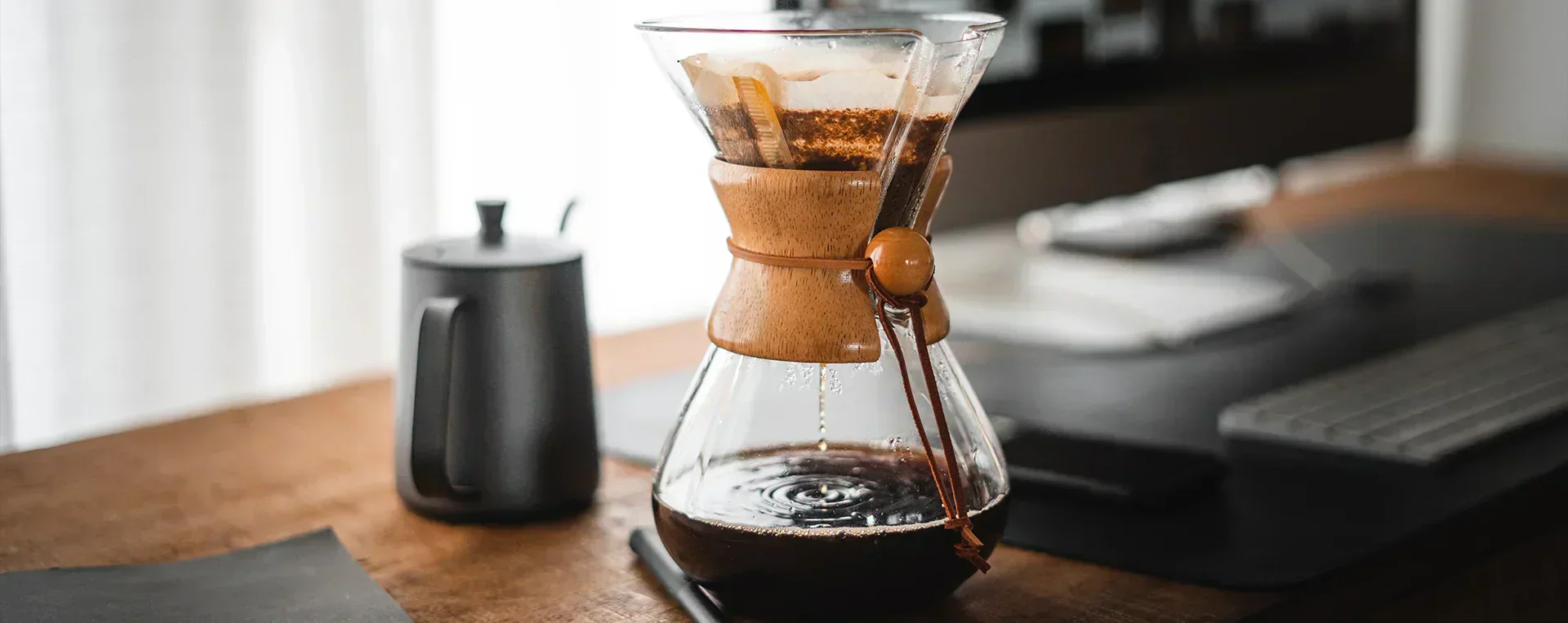
Single-origin specialty coffee performs exceptionally in pour over methods. The clean, controlled extraction highlights subtle flavor notes. We recommend single-origin coffee for V60, Chemex, and Kalita Wave brewing. The clarity these methods provide showcases regional characteristics beautifully.
Our El Bandido Colombian single-origin delivers its best performance in pour over. The bright citrus acidity and chocolate sweetness shine through clean paper filtration. The same coffee tastes muddy in French press. Single-origins need methods that highlight clarity over body.
For Flavor Exploration
Single-origin coffee teaches you about specialty coffee geography. Tasting Ethiopian Yirgacheffe shows you what East African coffee offers. Brewing Colombian Huila reveals South American characteristics. Each region has distinct flavor markers. Learning these markers helps you understand coffee better.
One customer bought only dark roast blends for years. We suggested trying our Decaf Dorado single-origin medium roast. They discovered they actually loved bright, nutty coffee. They had never tasted single-origin specialty coffee before. Now they alternate between single-origins and blends based on mood.
For Special Occasions
Single-origin coffee makes sense for coffee-focused moments. Weekend morning rituals deserve attention. Micro-lot single-origins from award-winning farms create memorable cups. Save expensive single-origin specialty coffee for times when you can appreciate the nuance.
When to Choose Coffee Blends
For Espresso and Milk Drinks
Coffee blends excel in espresso. The blend design accounts for high-pressure extraction. Acidic origins provide brightness. Low-acid origins build body and sweetness. The combination creates balanced shots that taste great straight or in lattes.
Our Rise and Grind blend was designed specifically for espresso. We tested ratios from 50/50 to 70/30 across four different origin combinations. The final 65/35 Brazilian-Colombian blend delivered chocolate sweetness with enough acidity to cut through milk. Single-origin espresso often tastes too bright or too flat. Blends hit the sweet spot.
For Daily Drinking
Coffee blends provide reliable, consistent specialty coffee for everyday brewing. You don't want your morning coffee tasting different every week. Blends deliver the same balanced cup reliably. This consistency matters when you drink coffee daily.
Most of our customers buy blends for weekday brewing and single-origins for weekend exploration. This approach makes sense economically and practically. Blends cost less per cup and require less attention to brewing variables.
For Multiple Brew Methods
If you brew coffee different ways throughout the week, blends adapt better. Our French Heist dark roast blend works equally well in French press, drip, and cold brew. Single-origins perform best in specific methods. Blends perform well across methods.
Common Myths About Single-Origin Coffee vs Blend
Myth 1: Single-Origin Coffee Is Always Better Quality
Quality depends on beans and roasting, not origin count. Exceptional blends use premium beans. Poor single-origins exist. The "single-origin" label guarantees traceability, not quality. Judge specialty coffee by taste, not by origin structure.
Myth 2: Blends Hide Bad Beans
Low-quality roasters might hide defects in blends. Quality roasters create blends to enhance flavor. At 40 Thieves Coffee, our blends use the same grade beans as our single-origins. We blend for flavor design, not defect hiding. Taste our Original blend and compare it to our El Bandido single-origin. Both deliver exceptional specialty coffee quality.
Myth 3: Single-Origin Coffee Tastes More Complex
Complexity comes from origin selection and roasting skill, not origin count. Well-designed coffee blends create layered complexity. Our Jet Fuel blend combines four different origins. Each component adds specific notes. The result tastes more complex than any single component. Single-origin coffee showcases one flavor profile deeply. Blends showcase multiple profiles simultaneously.
Myth 4: Blends Are Just for Saving Money
Some blends reduce costs. Many blends improve flavor. Professional specialty coffee competitions include blend categories. Winning blends cost as much as winning single-origins. Roasters create blends for deliberate flavor goals, not just economics.
How We Create Blends at 40 Thieves Coffee
Our blending philosophy emphasizes versatility and consistency. We want specialty coffee that tastes great every day, brews well multiple ways, and delivers value. This requires careful component selection and testing.
Component Selection
Each origin in our coffee blends serves a purpose. We never blend randomly. Brazilian beans provide chocolate base notes and smooth body. Colombian beans add brightness and sweetness. Central American beans contribute acidity and clarity. We taste dozens of origin combinations before finalizing blend ratios.
Our Thieves Gold blend took six months to develop. We tested twelve different origin combinations. The winning formula mixed 55% Colombian, 30% Brazilian, and 15% Guatemalan beans. The Colombian base provided balanced sweetness. The Brazilian component added body. The Guatemalan accent brought complexity. This specific ratio delivered the versatility we wanted.
Maintaining Consistency
Our Temecula roasting partners cup every incoming lot. When harvest quality varies, they adjust blend ratios slightly to maintain flavor consistency. Customers drinking our Original blend today taste the same profile as customers drinking it six months ago. This consistency requires constant quality control and flexibility.
We source from multiple farms per origin. If one Colombian farm's lot tastes different, we shift to another farm. The blend maintains its designed flavor profile. Single-origin specialty coffee cannot offer this consistency. Blends provide stability.
Brewing Recommendations by Coffee Type
Best Methods for Single-Origin Coffee
- Pour Over (V60, Chemex, Kalita): Highlights clarity and distinct flavor notes.
- Aeropress: Clean extraction with adjustable strength.
- Siphon: Showcases delicate aromatics and complexity.
- Cold Brew (light roasts): Emphasizes fruity, floral notes.
Avoid French press and espresso with highly acidic single-origin coffee. These methods can over-extract acids and create harsh flavors. Medium roast single-origins handle French press better than light roasts.
Best Methods for Coffee Blends
- Espresso: Balanced extraction produces excellent shots.
- Drip Coffee Maker: Reliable daily brewing with consistent results.
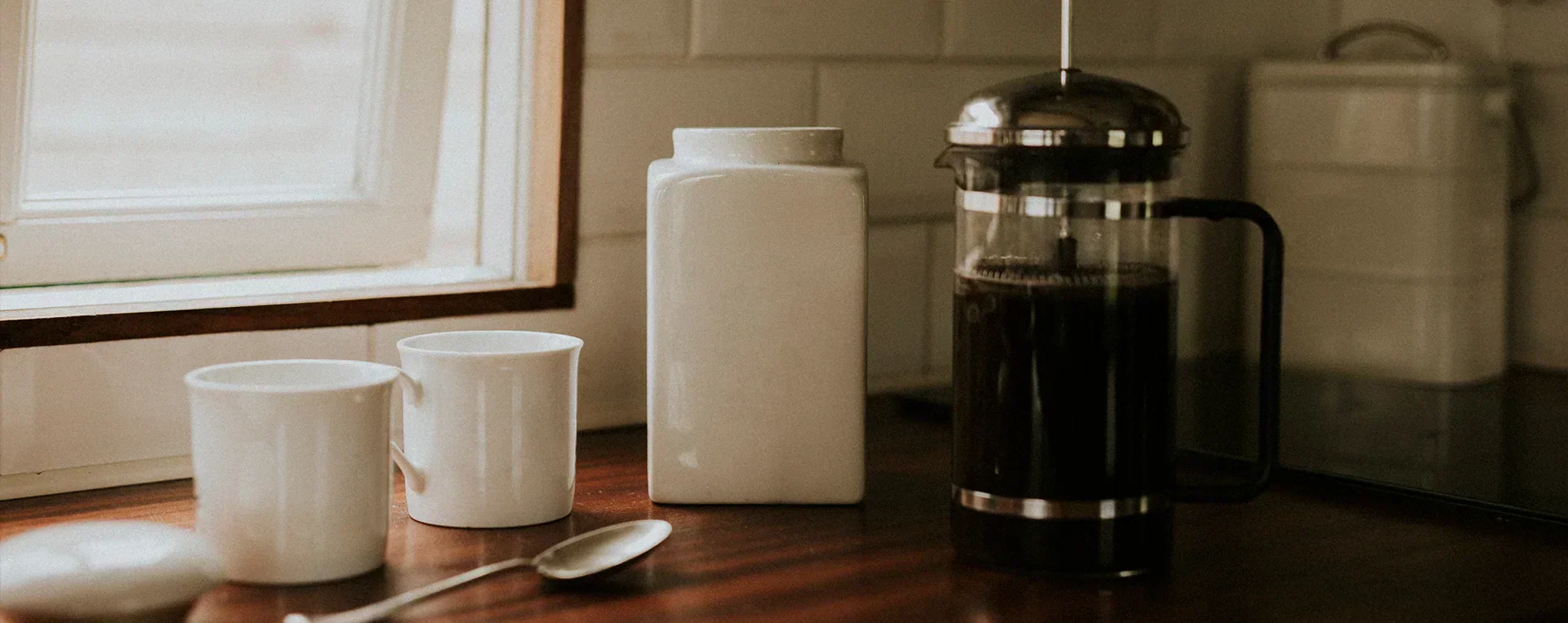
- French Press: Full body extraction works well with blend balance.
- Moka Pot: Strong, concentrated coffee from forgiving blends.
- Cold Brew: Smooth, low-acid concentrate from dark roast blends.
Coffee blends adapt to brewing variables better than single-origins. Less precision required. More forgiving of temperature and timing variations.
The 80/20 Rule for Choosing Coffee
Apply the 80/20 rule to your specialty coffee purchases. Buy blends for 80% of your consumption. Buy single-origins for 20% of special occasions and exploration. This approach balances cost, convenience, and variety.
Most coffee drinkers consume 1-3 cups daily. That's 30-90 cups monthly. Buying expensive single-origin specialty coffee for every cup adds up quickly. Using blends for weekday brewing and single-origins for weekend enjoyment creates sustainable coffee habits.
Our Recommendation: Keep a reliable blend for daily drinking. Buy single-origins when you want to explore new flavor profiles or brew pour over coffee. This strategy delivers variety without breaking your budget. Both single-origin coffee and blends have places in a complete specialty coffee experience.
Frequently Asked Questions About Single-Origin Coffee vs Blend
What does it mean if coffee is single-origin?
Single-origin coffee comes from one specific location. This could be one country, region, farm, or even one lot within a farm. The term guarantees traceability to a specific place. Single-origin specialty coffee showcases the unique flavor characteristics of that location's climate, soil, and processing methods.
Is single-origin coffee better than blends?
Neither is universally better. Single-origin coffee highlights distinct regional flavors and works best for pour over brewing. Coffee blends offer balanced, consistent taste and excel in espresso. Quality depends on bean selection and roasting skill, not origin count. Choose based on your brewing method and flavor preferences.
What is so good about single-origin coffee?
Single-origin specialty coffee delivers focused, distinct flavors you cannot get from blends. Each region produces recognizable taste markers. Ethiopian coffee tastes different from Colombian coffee. This regional character lets you explore coffee geography through flavor. Single-origins also provide complete traceability to specific farms.
Why is single-origin coffee better than blends?
Single-origin coffee is not inherently better. It offers different benefits. Single-origins showcase specific regional characteristics and provide traceability. Blends offer consistency, versatility, and balanced flavor profiles. Both can be exceptional specialty coffee. The best choice depends on how you brew and what flavors you prefer.
What are the benefits of single-origin coffee?
Single-origin coffee offers distinct flavor profiles, complete traceability, seasonal variety, and educational value. You learn about coffee geography by tasting different origins. Single-origins highlight terroir and processing methods clearly. They perform exceptionally in pour over brewing methods that showcase clarity and complexity.
Is coffee blend or single-origin better?
The best choice depends on use. Coffee blends excel in espresso, daily drinking, and multiple brew methods. They offer consistency and versatility. Single-origin coffee works best for pour over, flavor exploration, and special occasions. Quality exists in both categories. Choose based on your brewing habits and taste preferences.
Which origin is best for coffee?
No single origin is universally best. Colombian coffee offers balanced chocolate and caramel notes. Ethiopian coffee delivers bright fruit and floral flavors. Brazilian coffee provides nutty, chocolatey smoothness. The best origin depends on your taste preferences and brewing method. Try different origins to discover your favorites.
What is the healthiest form of coffee to drink?
Black coffee with no additives is the healthiest option, whether single-origin or blend. Both contain the same beneficial antioxidants and compounds. Pour over and drip methods filter out cafestol and kahweol, compounds that raise cholesterol. French press and espresso retain these oils. Origin type does not affect health benefits.
What is the 80/20 rule for coffee?
The 80/20 rule suggests buying coffee blends for 80% of daily consumption and single-origins for 20% of special occasions. This approach balances cost, convenience, and variety. Blends provide reliable daily specialty coffee. Single-origins offer exploration and treat experiences. This strategy creates sustainable coffee habits without sacrificing quality.
Which roast of coffee is the smoothest?
Medium roast coffee typically tastes smoothest, whether single-origin or blend. Dark roasts can taste smooth but often show bitter notes. Light roasts emphasize acidity over smoothness. Medium roast balances acidity, body, and sweetness. Coffee blends generally taste smoother than single-origins because roasters design blends for balance.
Choose the Right Specialty Coffee for Your Needs
The single-origin coffee vs blend debate has no universal winner. Both offer exceptional specialty coffee experiences. Understanding the real differences helps you make smart choices.
Single-origin coffee showcases specific regional characteristics. It delivers focused, distinct flavors perfect for pour over brewing and coffee exploration. Single-origins teach you about coffee geography. They highlight terroir and processing methods. Choose single-origin specialty coffee when you want to appreciate subtle flavor notes and regional character.
Coffee blends provide balanced, consistent flavor profiles. They adapt to multiple brewing methods successfully. Blends maintain stability despite harvest variations. At 40 Thieves Coffee, we favor blends for their versatility and control. Fabian's espresso discovery showed us how blends let you emphasize different flavor notes through extraction adjustment. Our Temecula roasting partners maintain blend consistency by switching farms strategically.
Most coffee drinkers benefit from using both. Keep reliable blends for daily drinking. Buy single-origins for special occasions and flavor exploration. This balanced approach delivers variety, consistency, and value.
Quality exists in both single-origin coffee and blends. Judge specialty coffee by taste, freshness, and roasting skill. Don't assume single-origin automatically means better. Don't dismiss blends as inferior. Taste both. Discover what you prefer. That's the coffee that matters most.
Sources and References
- Specialty Coffee Association. (2024). "Coffee Standards and Definitions for Specialty Coffee." Specialty Coffee Association.
- Borém, F. M., et al. (2016). "Coffee sensory analysis: Sensory attributes and molecular compounds of single-origin coffees." Comprehensive Reviews in Food Science and Food Safety, 15(2), 291-309. DOI: 10.1111/1541-4337.12181
- National Coffee Association. (2024). "Coffee Roasting and Blending Guide." National Coffee Association USA.
- Sunarharum, W. B., Williams, D. J., & Smyth, H. E. (2014). "Complexity of coffee flavor: A compositional and sensory perspective." Food Research International, 62, 315-325. DOI: 10.1016/j.foodres.2014.02.030
- Coffee Quality Institute. (2023). "Coffee Evaluation Standards and Sensory Analysis." Coffee Quality Institute.
- Caporaso, N., et al. (2018). "Variability of single origin coffee volatile compounds." Food Chemistry, 240, 1230-1238. DOI: 10.1016/j.foodchem.2017.08.031
- World Coffee Research. (2024). "Coffee Varieties and Origin Characteristics." World Coffee Research Organization.
- Farah, A., & Donangelo, C. M. (2006). "Phenolic compounds in coffee." Brazilian Journal of Plant Physiology, 18(1), 23-36. DOI: 10.1590/S1677-04202006000100003
- Scholz-Böttcher, B. M., et al. (2012). "Comprehensive analysis of coffee aroma compounds and their sensory evaluation." Journal of Agricultural and Food Chemistry, 60(24), 6071-6078. DOI: 10.1021/jf300455k
- International Coffee Organization. (2024). "International Coffee Trade Standards." International Coffee Organization.
- Petracco, M. (2001). "Technology IV: Beverage Preparation: Brewing Trends." In Coffee: Recent Developments (pp. 140-164). Blackwell Science. DOI: 10.1002/9780470690499.ch7
- Illy, E., & Viani, R. (2005). Espresso Coffee: The Science of Quality. Academic Press. DOI: 10.1016/B978-0-12-370370-0.X5000-1
- Clarke, R. J., & Vitzthum, O. G. (2001). Coffee: Recent Developments. Blackwell Science. DOI: 10.1002/9780470690499
- European Coffee Federation. (2023). "Coffee Blending and Roasting Standards." European Coffee Federation.
Disclaimer: This article provides general information about single-origin coffee and coffee blends. Taste preferences vary individually. The recommendations represent typical characteristics but may not apply to all coffees universally. Coffee quality depends on multiple factors including bean selection, roasting skill, freshness, and brewing method. Always buy from reputable specialty coffee roasters who prioritize quality and transparency. This content is for educational purposes and does not constitute professional advice.

Written by Gabe Hollins

Leave a comment
This site is protected by hCaptcha and the hCaptcha Privacy Policy and Terms of Service apply.