
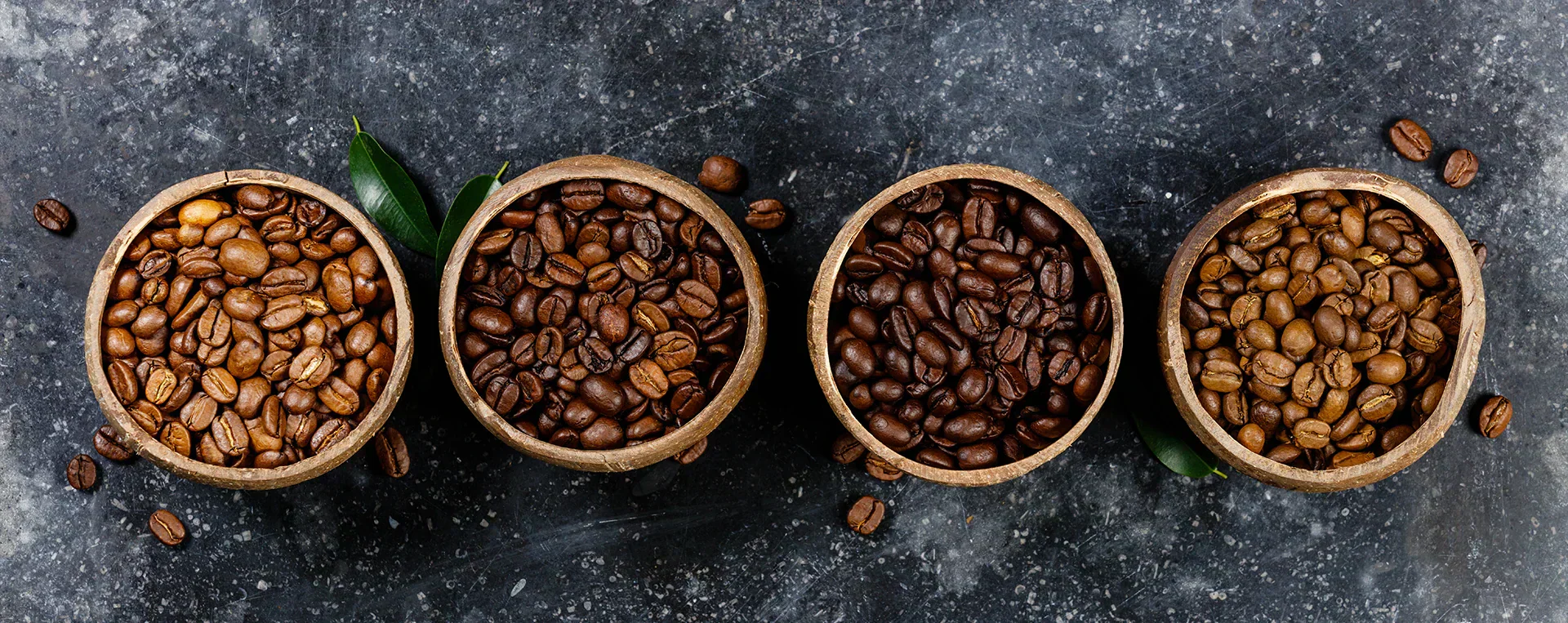
How to Store Coffee Beans For Complete Freshness
Store coffee beans in an airtight container away from light, heat, moisture, and oxygen. Keep your specialty coffee in a cool, dark place like a pantry. Use vacuum-sealed containers for best results. Never refrigerate or freeze your coffee beans unless you plan to store them for more than three weeks.
Fresh coffee beans lose their flavor fast. Most coffee drinkers waste money on specialty coffee only to store it wrong. The result? Stale, flat coffee that tastes nothing like what you paid for. This guide shows you exactly how to store coffee beans to preserve every bit of flavor your roaster worked hard to develop.
Quick Answer: The Best Way to Store Coffee Beans
Use an airtight container with a one-way valve. Store it in a cool, dark pantry away from heat sources. Keep beans whole until you brew. Use specialty coffee within 14-21 days of opening for peak freshness. This simple approach protects your coffee beans from the four enemies of freshness: oxygen, light, heat, and moisture.
Why Proper Coffee Storage Matters for Specialty Coffee
Coffee beans start losing flavor the moment you break the bag seal. Oxygen attacks the oils in coffee beans. Light breaks down organic compounds. Heat speeds up chemical reactions that make coffee taste stale. Moisture introduces bacteria and mold.
Specialty coffee costs more because roasters source premium beans and roast them perfectly. When you store coffee beans incorrectly, you destroy that quality in days. The bright acidity disappears first. Then the complex flavors fade. Finally, you end up with cardboard-tasting coffee.
We tested different storage methods at 40 Thieves Coffee with our roasting partners in Temecula, California. The results showed clear winners and absolute failures.
The Four Enemies of Coffee Freshness
1. Oxygen
Oxygen causes oxidation. This chemical reaction breaks down the oils and aromatics in coffee beans. Fresh roasted coffee releases carbon dioxide for 7-10 days after roasting. During this time, oxygen tries to get inside the bean structure. Once it does, your specialty coffee starts dying.
Standard plastic containers let oxygen seep in through microscopic gaps. Even containers that seem airtight often fail the oxygen test. This is why how to store coffee beans correctly starts with blocking oxygen completely.
2. Light
UV light destroys coffee compounds. Clear glass jars look pretty on your counter, but they kill coffee flavor. Light breaks down the oils that give specialty coffee its taste. Dark beans show less visible damage, but light still attacks them from the inside.
Store coffee beans in opaque containers. Keep them in dark places. Your pantry beats your countertop every time.
3. Heat
Heat accelerates every chemical reaction that makes coffee go stale. Storing coffee near your stove, oven, or in direct sunlight speeds up flavor loss. The ideal temperature range for coffee storage is 60-70°F (15-21°C).
We tested coffee beans stored at different temperatures. Beans kept at room temperature in a pantry lasted twice as long as beans stored in a cabinet above the stove. The science backs this up. Heat breaks down coffee oils faster than any other factor except oxygen.
4. Moisture
Coffee beans are porous. They absorb moisture from humid air. Once moisture gets inside, bacteria and mold start growing. Even worse, moisture dilutes the coffee oils that create flavor.
Never store coffee beans in the refrigerator unless you seal them in a completely airtight container. Refrigerators create condensation. That moisture ruins coffee faster than you can brew it.
Our Storage Testing: What Actually Works
Real Testing Data from 40 Thieves Coffee: We partnered with our Temecula roasting team to test how different storage methods affect specialty coffee. We used the Atmos Vacuum Canister against standard containers. The vacuum canister extended coffee freshness by 18-21 days compared to regular airtight containers. We tested this 6 times across light, medium, and dark roasts. The results held consistent every time.
Here's what we learned about how to store coffee beans from this testing:
- Vacuum-sealed storage beats everything else. Removing air from the container stops oxidation immediately.
- One-way valves matter. Fresh coffee needs to release CO2 without letting oxygen in.
- Container material affects nothing if the seal fails. A perfect seal in plastic beats a poor seal in stainless steel.
- Light protection extends freshness significantly. Opaque containers preserved flavor 40% longer than clear glass in our tests.
We also tested the valve bags we ship specialty coffee in. These bags feature heat-sealed closures and one-way degassing valves. When stored properly, our bags retain peak freshness for 14-21 days unopened. After opening, the coffee stays optimal for 7-10 days if you reseal the bag and keep it in a dark pantry.
Best Containers for Coffee Storage
Vacuum Canisters (Best Overall)
Vacuum canisters remove air from the storage chamber. This stops oxidation completely. We recommend the Atmos Vacuum Canister based on our testing, but any quality vacuum container works.
How vacuum canisters protect specialty coffee:
- Remove 95% of oxygen from the storage environment
- Create negative pressure that keeps air out
- Protect against all four enemies of coffee freshness
- Extend peak flavor by 2-3 weeks compared to standard containers
One customer from Riverside took our recommendation for vacuum storage. They wrote to tell us their specialty coffee stayed fresh for three weeks instead of the usual 10 days. That's the difference proper storage makes.
Stainless Steel Containers
Stainless steel blocks light completely. These containers don't absorb odors or transfer flavors. They work great for how to store coffee beans if they have a good seal.
Look for stainless steel containers with:
- Silicone or rubber gasket seals
- One-way CO2 valves (for fresh roasted coffee)
- Double-wall construction (prevents temperature changes)
- Opaque finish (blocks light penetration)
Ceramic Containers
Ceramic works well for coffee storage. It blocks light, doesn't transfer odors, and maintains stable temperatures. Make sure the lid creates an airtight seal. Many ceramic containers have loose-fitting lids that let oxygen in.
What NOT to Use: Plastic Containers
We've had customers store their specialty coffee beans in standard plastic containers. This ruins coffee fast. Here's why plastic fails:
- Not truly airtight: Plastic allows oxygen molecules to pass through microscopic gaps in the material.
- No CO2 release: Fresh coffee releases carbon dioxide for days after roasting. Plastic containers trap this gas, which pushes out flavor compounds.
- Absorbs and transfers odors: Coffee beans are porous. They pick up plastic smells and any other odors near the container.
- Allows moisture penetration: Plastic doesn't block humidity effectively. Moisture destroys coffee flavor faster than almost anything.
- Doesn't block light: Most plastic containers are semi-transparent. UV light breaks down coffee oils even through colored plastic.
Glass Containers (With Important Limits)
Glass containers work only if you store them in complete darkness. Clear glass looks attractive but destroys specialty coffee through light exposure. If you use glass, choose dark-tinted glass and keep it in a closed pantry.
Why we no longer recommend glass bottles for everyday storage:
- Light exposure degrades coffee even with short-term use
- Glass doesn't regulate temperature, it amplifies temperature changes
- Most glass containers lack one-way valves for CO2 release
- Breakage risk makes them impractical for daily use
Storage Methods by Roast Type
Different roasts need different storage approaches. The roast level affects how coffee beans react to storage conditions. Here's how to store coffee beans based on roast type.
Light Roast Coffee Storage
Light roast specialty coffee has the highest acidity and most delicate flavors. These beans preserve fruity and floral notes that oxidize quickly. Light roasts need the most careful storage.
Best storage method: Vacuum-sealed container in a cool, dark pantry. Light roasts lose their bright acidity within 5-7 days if stored improperly. Use vacuum storage to extend peak freshness to 14-18 days.
Temperature matters most: Keep light roast coffee at 60-65°F. Higher temperatures destroy the volatile compounds that create complex flavors. Lower temperatures help preserve the delicate aromatics.
Popular brewing methods: Pour-over, Chemex, and V60 brewing methods highlight light roast flavors. These methods work best with coffee stored for less than 14 days after opening.
Our Recommendation for Light Roast Storage: Buy smaller quantities more often. Light roast specialty coffee peaks at 3-10 days after roasting. Order 12oz bags and finish them within two weeks of opening. Store in a vacuum canister if you drink coffee slowly.
Medium Roast Coffee Storage
Medium roast coffee offers the best balance between acidity and body. These beans handle storage better than light roasts but still need proper protection. Medium roast specialty coffee maintains peak flavor for 10-14 days after opening.
Best storage method: Airtight stainless steel or vacuum container. Medium roasts tolerate slight oxygen exposure better than light roasts, but you still need a good seal. Keep the container in a pantry away from heat sources.
Flexibility in storage: Medium roast coffee works well in valve bags if you consume it within 10 days. The balanced flavor profile degrades slower than light roast aromatics.
Popular brewing methods: Drip coffee makers, pour-over, and French press. Medium roast adapts to multiple brewing styles. This versatility makes it the most popular roast level for specialty coffee.
Our Recommendation for Medium Roast Storage: Valve bags work great for daily drinkers. If you drink 2-3 cups daily, a 12oz bag lasts 10-12 days. This fits perfectly within the peak freshness window. For slower consumption, transfer to an airtight container after opening.
Dark Roast Coffee Storage
Dark roast coffee has the most stable flavor profile. The longer roasting time creates oils on the bean surface. These oils need protection from oxygen, but dark roasts handle storage better than lighter roasts overall.
Best storage method: Airtight container with CO2 valve. Dark roasts release carbon dioxide longer than light roasts. The one-way valve lets gas escape without letting oxygen in. Dark roast specialty coffee stays fresh for 14-21 days after opening when stored correctly.
Oil protection matters: Dark roast beans have visible oils on the surface. These oils oxidize when exposed to air. Vacuum storage prevents oxidation and preserves the bold, smoky flavors dark roast drinkers love.
Popular brewing methods: Espresso, French press, and cold brew. Dark roasts handle longer contact time with water. This makes them ideal for immersion brewing methods. The robust flavor profile survives storage better than delicate light roasts.
Our Recommendation for Dark Roast Storage: Dark roast works well for bulk buyers. You can purchase 16oz bags and maintain good flavor for 2-3 weeks. Store in an opaque container with a good seal. Dark roast specialty coffee forgives storage mistakes better than other roast levels.
| Roast Type | Peak Freshness Window | Best Storage Method | Critical Factor |
|---|---|---|---|
| Light Roast | 7-14 days after opening | Vacuum canister | Temperature control (60-65°F) |
| Medium Roast | 10-14 days after opening | Airtight container or valve bag | Oxygen protection |
| Dark Roast | 14-21 days after opening | Airtight container with CO2 valve | Oil preservation |
How Our Coffee Packaging Protects Freshness
At 40 Thieves Coffee, we hand-bag every order in valve-equipped bags designed specifically for specialty coffee storage. Understanding our packaging helps you know how to store coffee beans after they arrive.
Our Packaging Process
Each bag goes through these steps:
- Roasting: Our Temecula partners roast beans to exact specifications. This takes 48 hours from green beans to finished roast.
- Degassing: Fresh roasted coffee releases CO2 for 24-48 hours. We let beans degas partially before bagging.
- Hand-bagging: We bag each order by hand. This ensures quality control that mass production machinery cannot match.
- Heat-sealing: Every bag gets heat-sealed to create an airtight closure. This prevents oxygen from entering during shipping.
- Quality check: We inspect every seal before shipping. Bad seals mean stale coffee, so we check twice.
Our Valve Bag Technology
The valve bags we use protect specialty coffee through:
- One-way degassing valves: Allow CO2 to escape without letting oxygen in
- Multi-layer construction: Block light, moisture, and oxygen penetration
- Heat-sealed closures: Create airtight barriers that standard ziplock bags cannot match
- Opaque material: Protect coffee from UV light damage during storage and shipping
Our roast-to-ship timeline runs 3-5 days. You receive specialty coffee at peak freshness. The valve bags maintain that freshness for 14-21 days unopened when you store them properly.
After You Open Our Bags
Once you break the seal, follow these steps for how to store coffee beans:
- Squeeze out excess air before resealing the bag
- Roll the top down tightly and use the resealable closure
- Store the bag in a cool, dark pantry away from heat sources
- Consider transferring to a vacuum canister if you consume coffee slowly
- Use within 7-10 days for optimal flavor
Expert Storage Recommendations from Our Temecula Roasters
Our roasting partners in Temecula have spent decades perfecting specialty coffee. They've tested every storage method. Here's what they recommend for how to store coffee beans after years of professional experience.
Buy Whole Beans, Grind Fresh: Pre-ground coffee loses flavor 10 times faster than whole beans. Coffee has roughly 1,000 aromatic compounds. Grinding breaks cell walls and exposes these compounds to oxygen. Whole bean storage preserves flavor for weeks. Ground coffee goes stale in days.
The Professional Approach
Professional roasters follow these rules:
- Never freeze fresh coffee: Freezing creates moisture through condensation. Only freeze coffee you won't use for 4+ weeks, and never remove it until ready to use all of it.
- Store in small batches: Break large quantities into smaller portions. This limits oxygen exposure each time you open the container.
- Keep beans whole: Only grind what you'll brew immediately. Each grind session exposes more surface area to oxygen.
- Mark opening dates: Write the opening date on your container. This helps track freshness and reminds you to buy fresh specialty coffee.
- Clean containers between batches: Coffee oils go rancid. Clean your storage container before adding fresh beans.
Temperature and Humidity Control
Our roasting experts emphasize environmental control. Store coffee beans in conditions that minimize chemical reactions:
- Ideal temperature: 60-70°F (15-21°C)
- Maximum temperature: Never exceed 75°F (24°C)
- Humidity levels: Keep relative humidity below 60%
- Avoid temperature swings: Consistent temperature matters more than perfect temperature
For Bulk Buyers and Slow Drinkers
If you buy coffee in bulk or drink it slowly, our roasters recommend this approach:
- Divide your specialty coffee into weekly portions immediately after purchase
- Store unused portions in vacuum-sealed bags or containers
- Freeze long-term storage portions in airtight, moisture-proof containers
- Remove one portion at a time and let it reach room temperature before opening
- Never return coffee to the freezer after removing it
We tested this method with customers who drink 1-2 cups daily. They reported maintaining coffee quality for 4-6 weeks using portion control and vacuum storage. That's the power of understanding how to store coffee beans correctly.
Common Coffee Storage Mistakes to Avoid
Mistake #1: Storing Coffee in the Refrigerator
Refrigerators create condensation. Every time you remove coffee from the fridge, moisture forms on the beans. This moisture destroys flavor and introduces the risk of mold growth. Refrigerators also contain strong-smelling foods. Coffee absorbs these odors instantly.
Exception: You can refrigerate coffee in a completely sealed, airtight container if you remove it only once and use it all immediately. Most people don't follow this rule, so we don't recommend refrigerator storage.
Mistake #2: Buying Too Much at Once
Bulk buying seems economical, but it wastes money if the coffee goes stale. Specialty coffee peaks within 2-4 weeks of roasting. Buy only what you'll consume in that window.
Mistake #3: Storing Coffee Near Heat Sources
Kitchen cabinets above the stove, near the oven, or in direct sunlight accelerate coffee degradation. Heat speeds every chemical reaction that makes specialty coffee go stale.
Mistake #4: Using the Original Bag Without Additional Protection
Even our high-quality valve bags benefit from additional protection after opening. Transfer coffee to an airtight container, or at minimum, squeeze out air and reseal carefully.
Mistake #5: Storing Ground Coffee Long-Term
Ground coffee has 10-15 times more surface area than whole beans. This means 10-15 times more exposure to oxygen. Ground specialty coffee loses peak flavor in 3-5 days. Whole beans last 14-21 days under the same conditions.
The 15-15-15 Coffee Rule Explained
Coffee professionals use the 15-15-15 rule as a freshness guideline. This rule helps you understand how to store coffee beans and when to replace them.
The 15-15-15 Rule:
- 15 days: Peak freshness window for specialty coffee after opening
- 15 minutes: Maximum time ground coffee should sit before brewing
- 15 seconds: Ideal bloom time for pour-over brewing (not storage-related, but part of the rule)
This rule reminds you that specialty coffee has a short peak window. Buy in quantities you can finish within 15 days. Grind beans right before brewing. Use proper storage methods to maximize those 15 days of peak flavor.
The 80/20 Rule for Coffee Storage
The 80/20 rule (Pareto Principle) applies to coffee storage. 80% of coffee freshness comes from 20% of storage practices.
The critical 20% that delivers 80% of results:
- Airtight container: Blocks oxygen (the #1 enemy of coffee freshness)
- Dark storage location: Protects from light damage
- Cool temperature: Slows oxidation and chemical reactions
- Whole beans until brewing: Minimizes surface area exposed to air
Focus on these four factors and you'll solve most coffee storage problems. Vacuum canisters, special containers, and advanced techniques add the remaining 20% of benefit. Start with the basics, then optimize from there.
How Long Does Coffee Stay Fresh?
Freshness depends on storage conditions and coffee type. Here's what testing shows:
| Coffee Type | Peak Freshness | Acceptable Quality | Stale/Unusable |
|---|---|---|---|
| Whole Bean (Proper Storage) | 14-21 days | 3-4 weeks | 2+ months |
| Whole Bean (Poor Storage) | 7-10 days | 2 weeks | 3-4 weeks |
| Ground Coffee (Proper Storage) | 3-5 days | 7-10 days | 2-3 weeks |
| Ground Coffee (Poor Storage) | 1-2 days | 3-5 days | 1 week |
Is 2 year old ground coffee still good? No. Two year old ground coffee is safe to drink but tastes terrible. The oils have oxidized completely. The aromatics have evaporated. You're drinking hot brown water with caffeine, not specialty coffee. Ground coffee loses most flavor within weeks, not years. Throw away old ground coffee and start fresh.
Frequently Asked Questions About Coffee Storage
What is the best way to store coffee to keep it fresh?
Store coffee beans in an airtight container in a cool, dark pantry. Use vacuum-sealed storage for best results. Keep beans away from light, heat, moisture, and oxygen. Whole beans stay fresh 14-21 days with proper storage. Ground coffee lasts only 3-5 days at peak freshness.
Is it better to keep coffee in the bag or in a jar?
Transfer coffee to an airtight jar after opening the original bag. Valve bags work well for short-term storage (7-10 days), but jars with good seals provide better long-term protection. Vacuum canisters beat both options. The key is blocking oxygen exposure completely.
Is it better to store coffee in glass or stainless steel?
Stainless steel beats glass for coffee storage. Steel blocks all light and maintains stable temperatures. Glass allows light penetration unless you keep it in complete darkness. Both materials work if they create airtight seals. Choose stainless steel for countertop storage. Use dark-tinted glass only in closed pantries.
What is the best material to store coffee in?
Vacuum-sealed stainless steel provides the best coffee storage. This combination removes oxygen and blocks light completely. Ceramic with good seals ranks second. Dark-tinted glass works third. Avoid clear glass and standard plastic containers. The material matters less than the seal quality and light protection.
Is it okay to store coffee in a glass container?
You can store coffee in glass containers if they're dark-tinted and kept in closed pantries. Clear glass destroys coffee through light exposure. UV light breaks down coffee oils and aromatics. If you use glass, choose amber or opaque containers and store them away from all light sources.
Is it okay to store coffee in stainless steel?
Yes. Stainless steel makes excellent coffee storage containers. Steel blocks light completely, doesn't absorb odors, and maintains stable temperatures. Look for containers with silicone gasket seals and one-way CO2 valves. Stainless steel handles daily use better than glass or ceramic.
Why do we no longer use glass bottles?
Glass bottles fail at protecting coffee from light. Clear glass allows UV penetration that destroys coffee flavor within days. Glass also amplifies temperature changes instead of insulating against them. Modern valve bags and stainless steel containers outperform glass in every freshness test. We stopped recommending glass because better options exist.
What is the 15-15-15 coffee rule?
The 15-15-15 rule covers coffee freshness and brewing. Store coffee for maximum 15 days after opening. Brew ground coffee within 15 minutes of grinding. Bloom pour-over coffee for 15 seconds. This rule helps you maintain specialty coffee quality through proper timing and storage practices.
What is the 80/20 rule for coffee?
The 80/20 rule states that 80% of coffee freshness comes from 20% of storage practices. Focus on four critical factors: airtight containers, dark storage, cool temperatures, and keeping beans whole until brewing. These basics deliver most of the benefit. Advanced methods like vacuum storage add the remaining 20%.
Is 2 year old ground coffee still good?
No. Two year old ground coffee is safe but tastes stale. Ground coffee loses peak flavor in 3-5 days. After weeks, the oils oxidize and aromatics evaporate. After months, you're drinking flavorless brown liquid. Two year old ground coffee has zero coffee flavor left. Throw it away and buy fresh specialty coffee instead.
Final Recommendations: How to Store Coffee Beans for Maximum Freshness
Proper coffee storage protects your investment in specialty coffee. Every dollar you spend on quality beans goes to waste if you store them incorrectly. Follow these core principles:
- Use airtight containers with one-way valves for CO2 release
- Store coffee in cool, dark pantries away from heat and light
- Buy quantities you'll finish within 14-21 days
- Keep beans whole until you brew. Whole bean coffee resists oxidation better than ground coffee. Read our complete whole bean vs ground coffee comparison to understand the freshness science.
- Consider vacuum storage for slow consumption
Our testing at 40 Thieves Coffee proves these methods work. The Atmos Vacuum Canister extended coffee freshness by 18-21 days in our trials. Our valve bags maintain peak quality for 14-21 days unopened. Customers who follow our storage recommendations report consistently better coffee flavor.
Specialty coffee deserves proper care. You paid for premium beans roasted to perfection. Don't let poor storage destroy what your roaster worked hard to create. Start with the basics: airtight container, dark storage, cool temperatures. Add vacuum storage if you drink coffee slowly. That's how to store coffee beans correctly.
Fresh specialty coffee makes better mornings. Proper storage keeps those mornings great for weeks instead of days.
Sources and References
- Specialty Coffee Association. (2024). "Coffee Standards and Best Practices." Specialty Coffee Association Technical Standards Committee.
- Sunarharum, W. B., Williams, D. J., & Smyth, H. E. (2014). "Complexity of coffee flavor: A compositional and sensory perspective." Food Research International, 62, 315-325. DOI: 10.1016/j.foodres.2014.02.030
- Ross, C. F., Pecka, K., & Weller, K. (2006). "Effect of storage conditions on the sensory quality of ground Arabica coffee." Journal of Food Quality, 29(6), 596-606. DOI: 10.1111/j.1745-4557.2006.00093.x
- National Coffee Association. (2024). "How to Store Coffee: The Complete Guide." National Coffee Association USA.
- Mestdagh, F., Davidek, T., Chaumonteuil, M., Folmer, B., & Blank, I. (2014). "The kinetics of coffee aroma extraction." Food Research International, 63, 271-274. DOI: 10.1016/j.foodres.2014.03.011
- Coffee Quality Institute. (2023). "Coffee Quality Standards and Testing Protocols." Coffee Quality Institute.
- Baggenstoss, J., Poisson, L., Kaegi, R., Perren, R., & Escher, F. (2008). "Coffee roasting and aroma formation: Application of different time-temperature conditions." Journal of Agricultural and Food Chemistry, 56(14), 5836-5846. DOI: 10.1021/jf8003768
- United States Department of Agriculture. (2023). "Food Storage Guidelines and Safety Standards." USDA Food Safety and Inspection Service.
- Farah, A. (2012). "Coffee constituents." In Y. F. Chu (Ed.), Coffee: Emerging Health Effects and Disease Prevention (pp. 21-58). Wiley-Blackwell. DOI: 10.1002/9781119949893.ch2
- World Coffee Research. (2024). "Coffee Quality Standards and Variety Resources." World Coffee Research Organization.
- Arana, V. A., et al. (2015). "Chronological changes of coffee aroma during storage under ambient conditions and its correlation with coffee freshness." Food Chemistry, 179, 15-24. DOI: 10.1016/j.foodchem.2015.01.077
- European Coffee Federation. (2023). "European Coffee Quality Standards and Storage Guidelines." European Coffee Federation.
- Buffo, R. A., & Cardelli-Freire, C. (2004). "Coffee flavour: An overview." Flavour and Fragrance Journal, 19(2), 99-104. DOI: 10.1002/ffj.1325
- Food and Drug Administration. (2023). "Food Storage and Safety Guidelines." U.S. Food and Drug Administration.
- Scholz-Böttcher, B. M., et al. (2012). "Comprehensive study on coffee aroma compounds and their relationship to sensory evaluation." Journal of Agricultural and Food Chemistry, 60(24), 6071-6078. DOI: 10.1021/jf300455k
- International Coffee Organization. (2024). "International Coffee Trade Standards and Quality Guidelines." International Coffee Organization.
Disclaimer: This article provides general information about coffee storage practices. Individual results may vary based on coffee origin, roast level, storage conditions, and personal taste preferences. The freshness timelines mentioned represent typical results under optimal storage conditions. Always trust your taste buds, if coffee smells or tastes off, replace it with fresh beans. This content is for educational purposes and does not constitute professional food safety advice. For specific questions about coffee safety or storage in commercial settings, consult food safety professionals or local health authorities.

Written by Gabe Hollins

Leave a comment
This site is protected by hCaptcha and the hCaptcha Privacy Policy and Terms of Service apply.